


The Aesthetics of Repetition: Serial Banalism
„Serial Banalism“ is a contemporary form of artistic expression that places the repetition and serial arrangement of banal, everyday objects at the heart of aesthetic reflection. Serial Banalism was founded and developed by the conceptual artist Linus Reinhard (Germany).
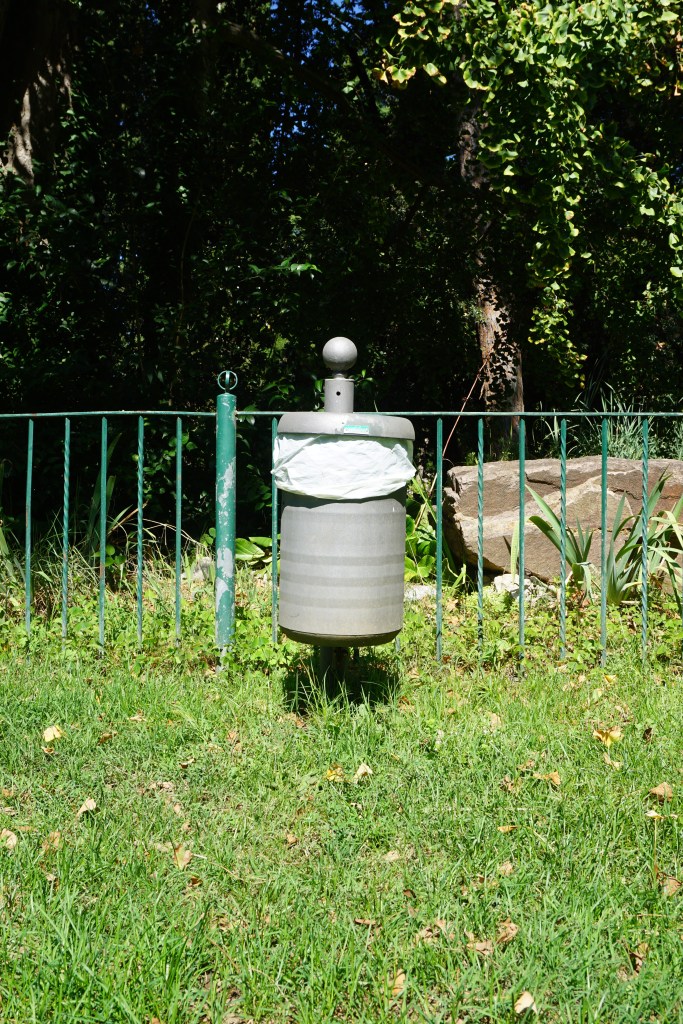
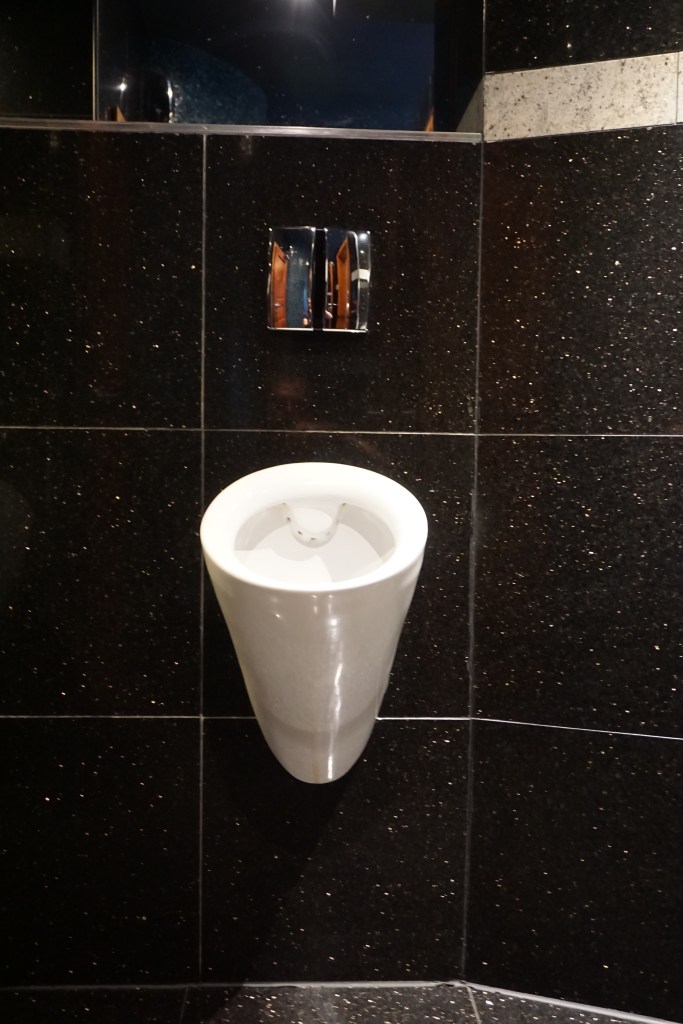
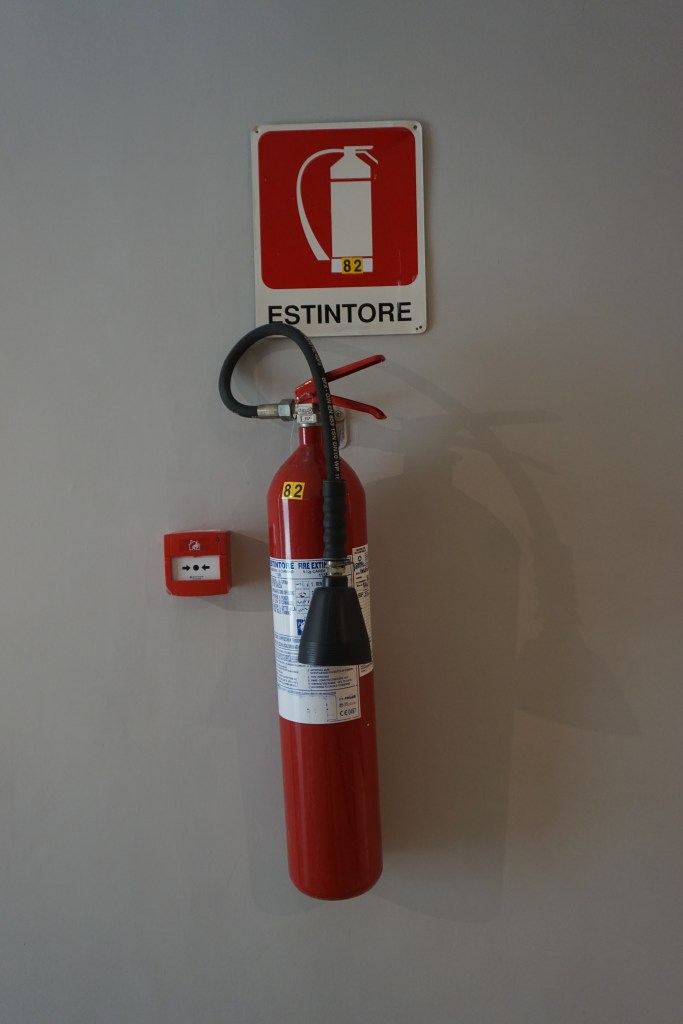
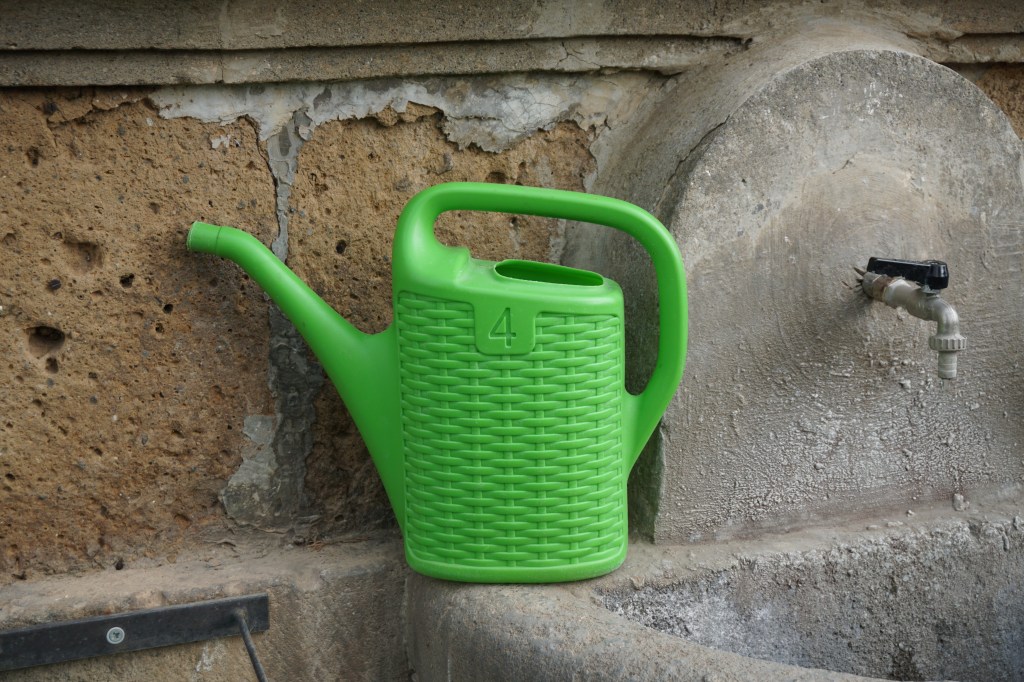
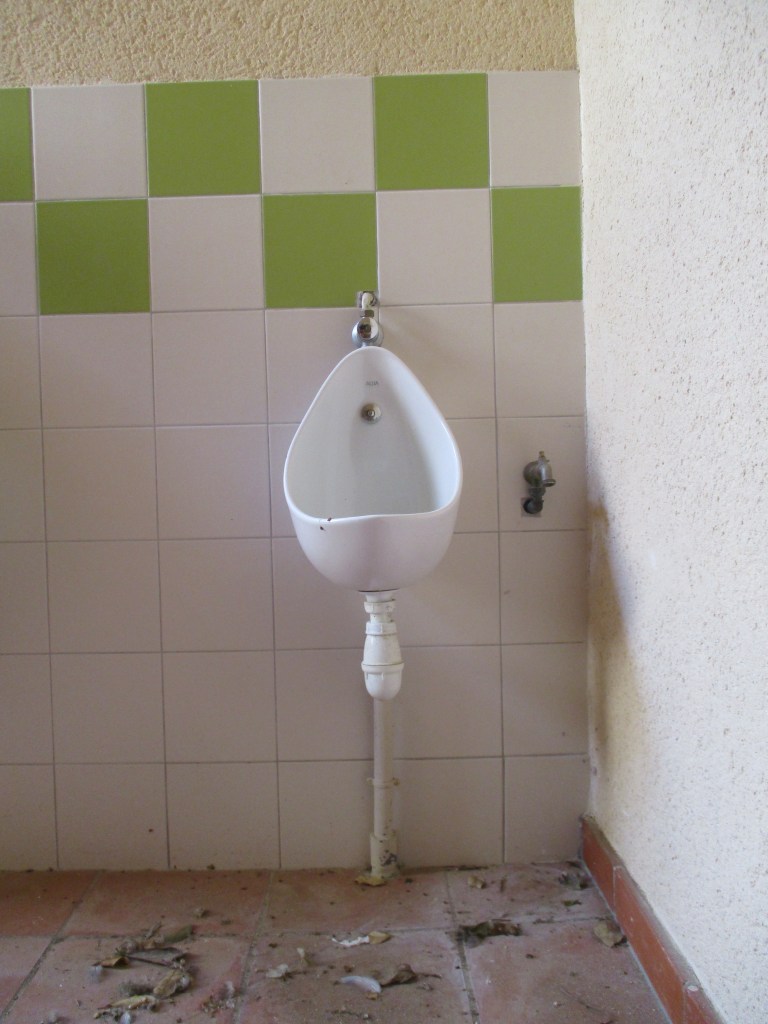
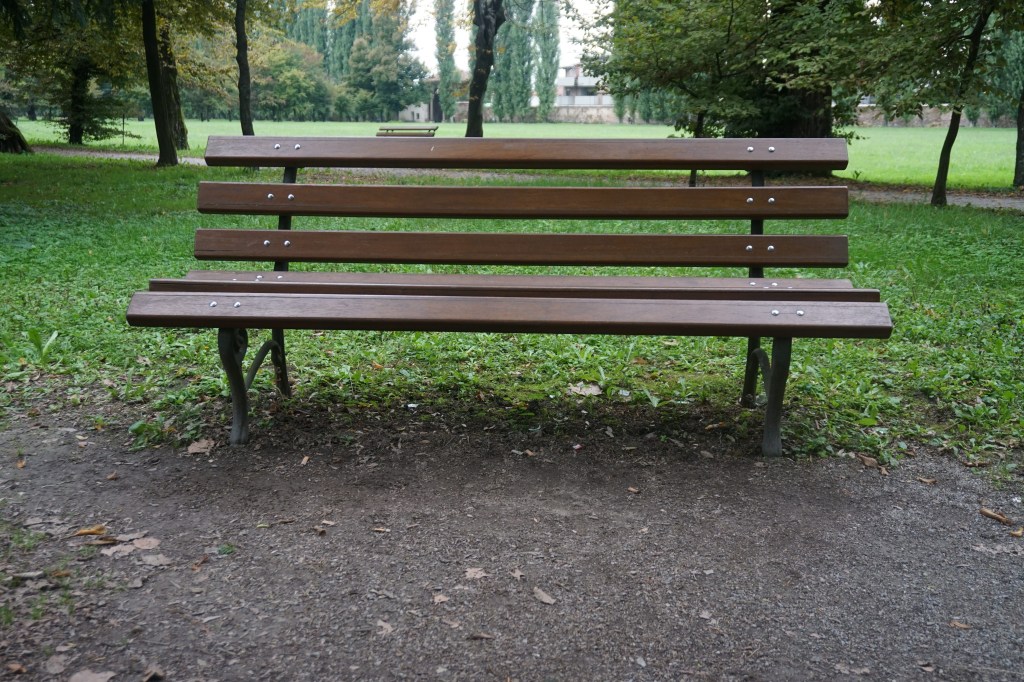
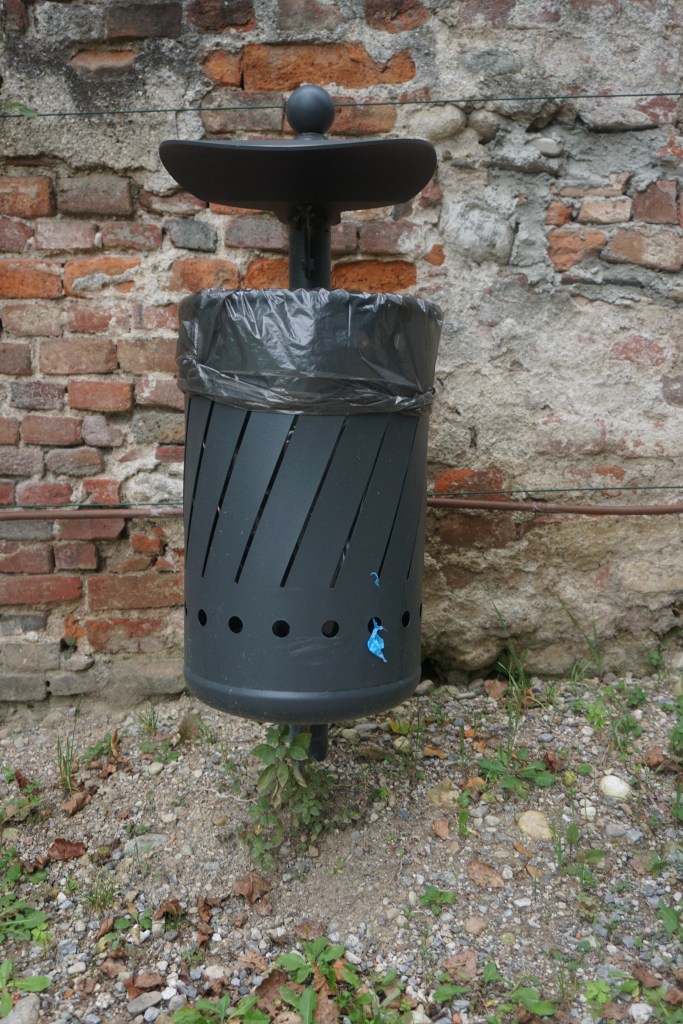
In this practice, objects that usually go unnoticed in daily life—and are used functionally only when needed—are photographed and presented in rows, grids, or series: photographs of urinals, fire extinguishers, watering cans, benches, ground, marked stones or trash cans. This shift in context creates new realms of meaning.
The term describes a mode of representation in which ostensibly unimportant things are displayed in a serial format. Repetition lends the banal a new aesthetic and conceptual dimension. Thus, the everyday, through its continuity, can unfold an unexpected impact—ranging from beauty and a sense of unease to poetic resonance.
Serial Perception and Minimal Art
Upon closer inspection, the banal loses its banality. Those who frequently look at the same thing — often almost simultaneously — interpret the banal differently. In the act of looking, the banal sheds its banal character. This concept is closely linked to the ethos of Minimal Art, which strips the artwork of expressive aggrandizement and symbolic loading, focusing instead on what is physically present.
The serial structure generates a statement that points beyond the individual object. Familiar objects — functionally bound and thus visually marginalized in everyday life — appear through this artistic framing as objets trouvés: not as signs laden with meaning, but as autonomous phenomena.
Through the repetition and uniformity of motifs, attention shifts from the individual object to the processes of perception themselves. Much like in the serial works of Donald Judd or Sol LeWitt, meaning arises not from individual variations in form, but from the relationship between elements—from scale, spacing, rhythm, and spatial presence. The boundary between everyday banality and art is not erased but deliberately neutralized: the banal remains banal, yet gains visibility.
Minimal Art demands a precise, detached mode of viewing that seeks no narrative or emotional identification. Its critical power lies in this reduction: it eschews interpretation in favor of experience. The seemingly unspectacular becomes a touchstone for perception, revealing that meaning resides not in the object itself, but in the act of seeing. Thus, the banal proves to be an aesthetic constant—not despite its formal restraint, but precisely because of it.
Repetition as a Stylistic Device
The term „Serial Banalism“ is not an established art-historical term, yet it aptly describes a hybrid strategy situated between conceptual art, appropriation art, and pop art. Art history reveals diverse tendencies that draw upon seriality and the aesthetic elevation of the banal. Marcel Duchamp’s readymades transformed everyday objects into artworks through their contextualization within the art world. Pop art—exemplified by Andy Warhol’s Campbell’s Soup Cans—celebrated consumer goods as icons of everyday culture. Appropriation artists such as Sherrie Levine and Richard Prince utilized existing images, reframing them both serially and conceptually.
The principle of repetition and variation is also central to serial art—seen in the work of Claude Monet, Sol LeWitt, or Donald Judd—where the individual object loses autonomy in favor of an overarching structure or idea. In Minimal Art, this seriality emphasizes formal reduction and repetition.
Banal. Serial. Radical.
Serial Banalism bridges these artistic traditions by not merely displaying the everyday but by transforming it—through serial repetition—into a vehicle for conceptual depth. It operates in the space between irony, documentation, and analysis. This tension raises the question of what is „worthy“ of depiction—and how meaning can shift through repetition, context, and banal form.
As a logical further development of artistic explorations of context, meaning and perception, serial banality does not see itself as a mere stylistic device. It builds on great traditions and carries them forward under the conditions of the 21st century – in a world of oversaturation, repetition and everyday aesthetics.
With the proliferation of smartphones and social media, the mass photographic documentation of banal situations and objects—ranging from the ubiquitous sunset to the meticulously staged breakfast plate—has become a cultural norm. These images of everyday life, shared millions of times, reflect not only personal rituals but also a changed relationship to the perception of the ordinary. „Serial Banalism“ mirrors this shift and translates it into an artistic context—whether analytically, ironically, or poetically.
In media theory—as exemplified by Marshall McLuhan or Vilém Flusser—this development is understood as a shift from the significance of the individual image to the mass production and distribution of images. McLuhan emphasizes that it is not only the content but, above all, the medium itself that shapes our perception and social structure (“the medium is the message”). Flusser, in turn, analyzes how technical images and devices program our perception and increasingly channel human action into predetermined structures.
The constant repetition and global availability of images thus generate a new form of perception and meaning, in which images appear less as individual events and more as parts of visual systems. This aesthetic of the everyday is no longer placed at the center of visual culture by chance, but systematically.
From Place to Object: The Serial Intensification of the Everyday
„Serial Banalism“ can be understood as a logical extension of the Italian „photography of places,“ a genre shaped by figures such as Luigi Ghirri and Gabriele Basilico. This photographic practice focused on unspectacular landscapes, peripheral zones, industrial areas, and urban interstitial spaces—places lying beyond iconic monumentality. The focus was not on spectacular events, but on the quiet presence of the ordinary. Architecture, streetscapes, and suburbs were documented in a sober, detached manner; meaning emerged from precise observation and the eschewal of subjective dramatization.
Serial Banalism shifts this approach from place to object. While the „photography of places“ reveals the banal within a spatial continuum, Serial Banalism isolates and multiplies individual everyday objects. In doing so, it radicalizes the original stance: it is no longer the urban space as a whole, but the functionally defined detail—the fire extinguisher, the urinal, the park bench—that becomes the subject of systematic attention. The series replaces the topographical connection; repetition replaces context.
Both approaches share a de-dramatization of the gaze. Like Italian topographical photography, Serial Banalism eschews any expressive aggrandizement or narrative loading. Yet, by arranging the subject matter in a series, it shifts perception more strongly toward structural aspects: rhythm, difference within similarity, and minimal deviations. The individual object loses its functional self-evidence and appears as a formal constant within a system.
Thus, Serial Banalism expands the „photography of places“ in two respects: First, it intensifies the focus on the unspectacular by not merely showing the banal but multiplying it. Second, it transforms the documentary gaze into a conceptual order aligned with the strategies of Minimal Art. The place is no longer understood as a geographical space, but as a field of recurring phenomena.
From this perspective, Serial Banalism is not a departure from the „photography of places“ but an intensification of it. It translates topographical sensitivity into a formal system, demonstrating that the everyday can be experienced not only in terms of landscape but also structurally. The banal does not merely become visible; through its serial recurrence, it becomes perceptible as an aesthetic constant.
Expansion of existing artistic practices
Serial Banalism can thus be understood as an expansion of existing artistic practices across several dimensions:
- Radicalization of banality: Earlier movements such as Dada or Pop Art had already introduced the everyday into the context of art. Yet, while Duchamp presented a urinal as a one-off „readymade“ and Warhol turned consumer objects into icons, serial banalism goes further: artistic content arises here not from a singular act of provocation, but from the structured repetition of the banal. The serial-banal becomes a method rather than a shock tactic. Consequently, aesthetic attention directed at the everyday becomes systematic—almost scientific—in nature.
- A new form of conceptual art: Serial Banalism is closely related to conceptual art but extends it; instead of a single idea or system, the focus lies on the shift in meaning brought about by repetition. Meaning is determined not only by what is shown but by how often and how uniformly it is displayed. The series itself becomes the medium of the statement. Visual Sociology: In the photographic practice of Serial Banalism, everyday life is archived rather than staged. This documentary approach lends art a sociological dimension: Serial Banalism becomes a visual anthropology of the present. It does not merely display objects; it implicitly reflects societal norms, design standards, industrial mass production, and the state of the world as a highly structured form of repetition.
- Continuation of the „Photography of Place“: Building upon Italian landscape and architectural photography (fotografia dei luoghi), Serial Banalism transfers that sober, undramatized gaze from urban space to the individual everyday object. While the „photography of place“ made the unspectacular visible within a topographical context, Serial Banalism isolates and multiplies functional details, transposing them into a conceptual order. Attention shifts from place to structure, from space to repetition—thereby radicalizing the aesthetic perception of the ordinary.
- Critique of the Art System and Market: By presenting banal objects serially—devoid of „aura“ or dramatic staging—the practice articulates an implicit critique of the art market and the cult of the artistic genius: no object is unique, everything is reproducible, and every photograph is part of a larger grid. Thus, Serial Banalism also serves as a form of deconstruction regarding artistic pretensions and the attribution of value.
- Expanding the Gaze: This art movement challenges and provokes the viewer. The gaze is slowed down and sharpened, inspiring a casual yet attentive search for differences within the repetition. This represents an expansion of the act of reception itself—moving from consumptive looking to contemplative, almost meditative seeing—and transforms the perception of the banal in everyday life.